

Frequently asked
questions
Read answers to common questions about the Resensation
surgical technique with Avance® (acellular nerve allograft–arwx), such as how it works, eligibility and compatible
reconstruction types.
There are sensory nerves that run from your breast to the brain, sending messages that allow you to feel touch, temperature—even pain.1,2 But these nerves need to be cut during a mastectomy so the breast tissue can be removed.1 If the nerves aren’t repaired during breast reconstruction, they no longer send signals. No signal means no sensation. This usually results in numbness and loss of feeling in the breast area.1,2
The Resensation technique is a surgical method that allows plastic surgeons to reconnect a nerve during some breast reconstructions.3,4 This gives the nerve a chance to regrow.3,4
You may be eligible for the Resensation technique if you are planning a mastectomy for:4
- Breast cancer
- Risk reduction of breast cancer
You may also be eligible if you are planning a revision to an existing reconstruction.
Your surgeon can help you decide if the Resensation technique is right for you. Visit the surgeon locator to find a surgeon near you.
The Resensation technique is done at the same time as breast reconstruction. The Resensation technique can be performed during an immediate reconstruction (at the same time as the mastectomy) or a delayed reconstruction (months or years after the mastectomy).3,4 Additionally, the Resensation technique may be possible if you are considering a revision to a previous implant reconstruction.
Learn more about which reconstruction types may be performed with the Resensation technique.
The Resensation technique is performed during breast reconstruction. It can happen during immediate reconstruction (in the same surgery as mastectomy) or during a later surgery (delayed reconstruction or in some revision surgeries).3,4 Talk to your healthcare provider to see if the Resensation technique is an option post-mastectomy.
Learn more about which reconstruction types may work with the Resensation technique.
The Resensation technique may be possible with these types4:
- Implant breast reconstruction: This technique uses a saline or silicone implant to reconstruct your breast
- Autologous flap reconstruction: This technique uses your own tissue from another area of your body to create a breast
- Aesthetic flat closure: This technique removes skin, fat and tissue to create a flat chest
If you have already had autologous flap reconstruction, you may not be a candidate for the Resensation technique.
Ask your surgeon about your options for the Resensation technique.
A plastic surgeon performs the breast reconstruction and the Resensation technique. They can partner with breast surgeons during a mastectomy. Talk to your healthcare provider to learn if the Resensation technique is right for you.
If you already had a mastectomy, you likely only need a plastic surgeon to do the Resensation technique.
If you haven’t had a mastectomy yet, a breast surgeon and plastic surgeon may be able to work together to do your mastectomy and breast reconstruction with the Resensation technique.
Our surgeon locator can help you find a Resensation-trained surgeon, along with breast surgeons who partner with them.
Breast reconstruction is a covered procedure. However, breast neurotization (Resensation technique) coverage may differ by insurer. Coverage is determined on a case-by-case basis by the insurer, which typically requires the surgeon to secure pre-authorization in advance of the procedure.
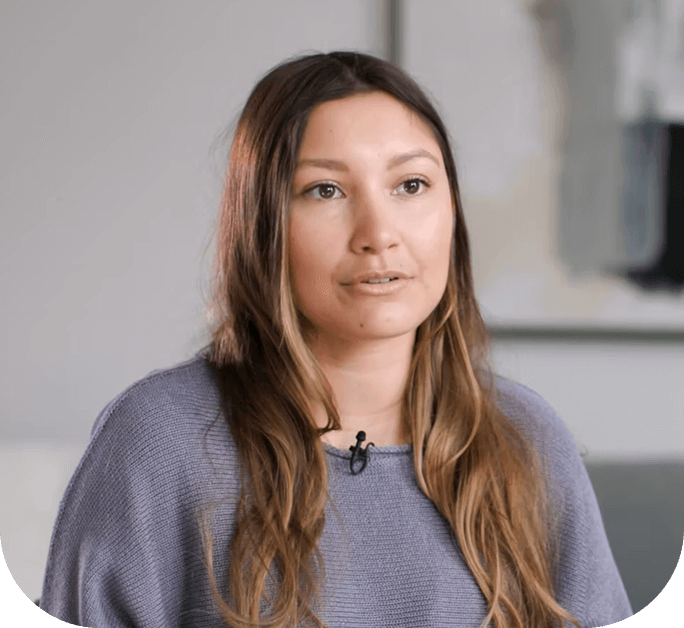
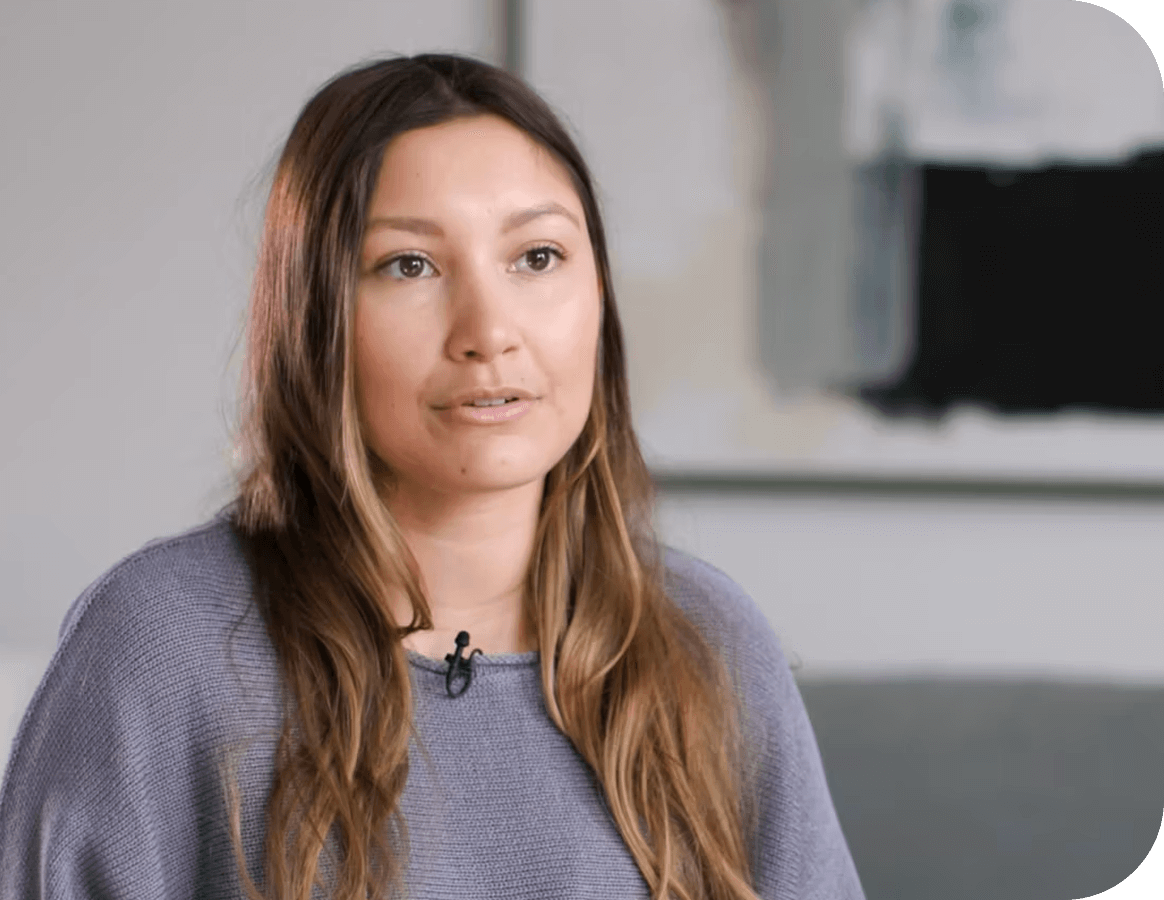
“This option should be more widely available.”
-Bri, patient*
*Individual results may vary based on patient factors and surgical approach. Bri Majsiak was compensated for her time, but the views expressed are her own.
References
- O’Neill RC, et al. Modern approaches to breast neurotization. Clin Plast Surg. 2023;50(2):347-355. doi:10.1016/j.cps.2022.10.003
- Coopey S, et al. Careful where you cut: strategies for successful nerve-preserving mastectomy [published correction appears in Plast Reconstr Surg Glob Open. 2024 May 28;12(5):e5943. doi:10.1097/GOX.0000000000005943]. Plast Reconstr Surg Glob Open. 2024;12(5):e5817.
- Avance® (acellular nerve allograft-arwx) US Prescribing Information, Alachua FL: Axogen corporation; 2026.
- Peled AW, Peled ZM. Sensory reinnervation after mastectomy with implant-based reconstruction. Annals of Breast Surgery. 2022;6(27). doi:10.21037/abs-21-9
What is AVANCE® (acellular nerve allograft-arwx)?
AVANCE is a sterile nerve graft prepared from donated human tissue. AVANCE is implanted in patients with cut nerves to help restore sensory function.
Important Safety Information
AVANCE has risks related to surgery and the use of donated human tissue that you should understand before treatment.
Surgical and Procedure-Related Risks
As with any nerve repair surgery, complications can occur. Risks related to the surgical procedure and use of AVANCE may include pain, increased sensitivity at the implant site, swelling, bleeding, and infection. Other risks may include scarring (including thick or raised scars), delayed wound healing, scar tissue, and formation of a painful nerve growth. Some patients may experience loss, decrease, or change in sensation or movement in the area being treated. A serious problem involving wound healing has also been reported.
Risk of Infectious Disease Transmission
Because AVANCE is made from donated human tissue, it can pass on infectious diseases. Donors are carefully screened and tested for viruses and other infectious agents. However, these measures do not completely eliminate the risk of disease transmission. All infections thought to be transmitted by AVANCE should be reported to Axogen Corporation at 1-888-296-4361.
What to Watch for After Surgery
After your procedure, your doctor will monitor your healing and nerve recovery. Contact your healthcare provider right away if you notice any of the following:
- Redness, swelling, warmth, or increasing pain at the surgical site
- Drainage or signs of infection
- New or worsening numbness, tingling, or pain
- Changes in movement or weakness
- Any other symptoms that concern you
Always follow your healthcare provider’s instructions during recovery and rehabilitation.